The History of Barcelona
A journey through two thousand years of history
Roman Origins: Barcino
Barcelona was founded as a Roman colony named Barcino around 15 BC during the reign of Emperor Augustus. The city was enclosed by walls, imposing traces of which remain in the Gothic Quarter, particularly near Plaça Nova and along Via Laietana.
The Roman forum was located where today's Plaça Sant Jaume stands, still the center of civic and political power with the Generalitat Palace and City Hall. The MUHBA (Barcelona History Museum) houses archaeological remains of the Roman city beneath Plaça del Rei.
The Medieval Era and the Crown of Aragon
In the Middle Ages, Barcelona became the capital of the County of Barcelona and, from the 12th century, the beating heart of the Crown of Aragon. The city experienced a period of great commercial prosperity, becoming one of the main ports of the Mediterranean.
Extraordinary monuments remain from this era: the Cathedral of Santa Eulalia, the church of Santa Maria del Mar — a masterpiece of Catalan Gothic — and the Born quarter with its ancient market. The Royal Shipyards (Drassanes), now home to the Maritime Museum, testify to the naval power of the era.
Catalan Modernism
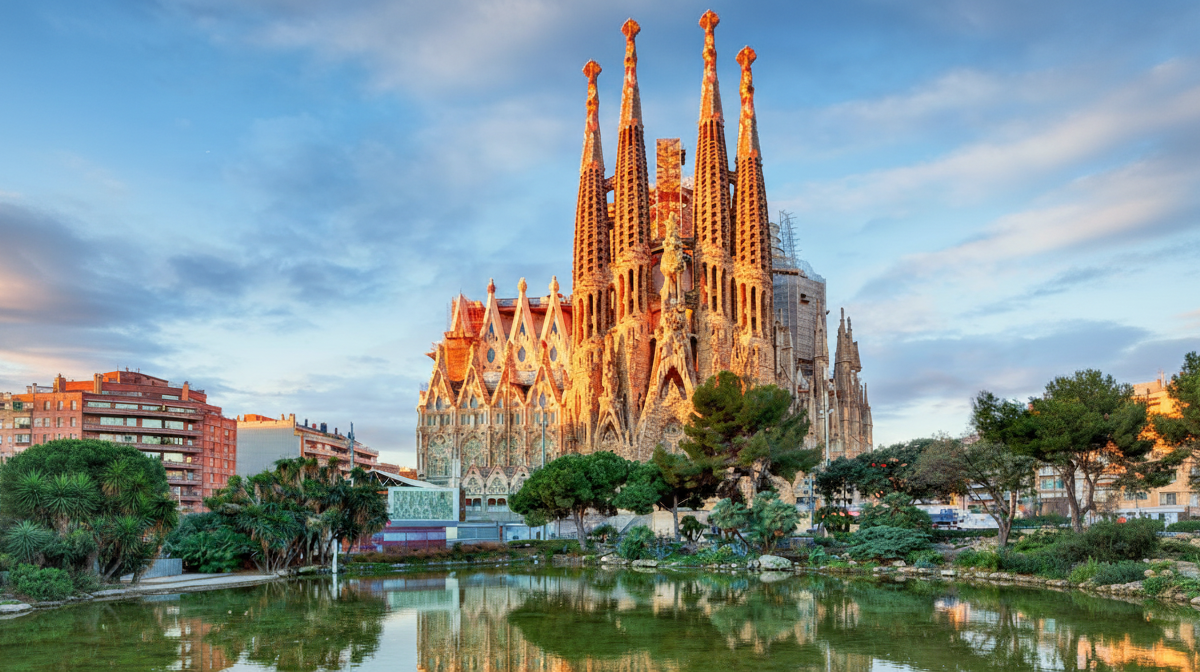
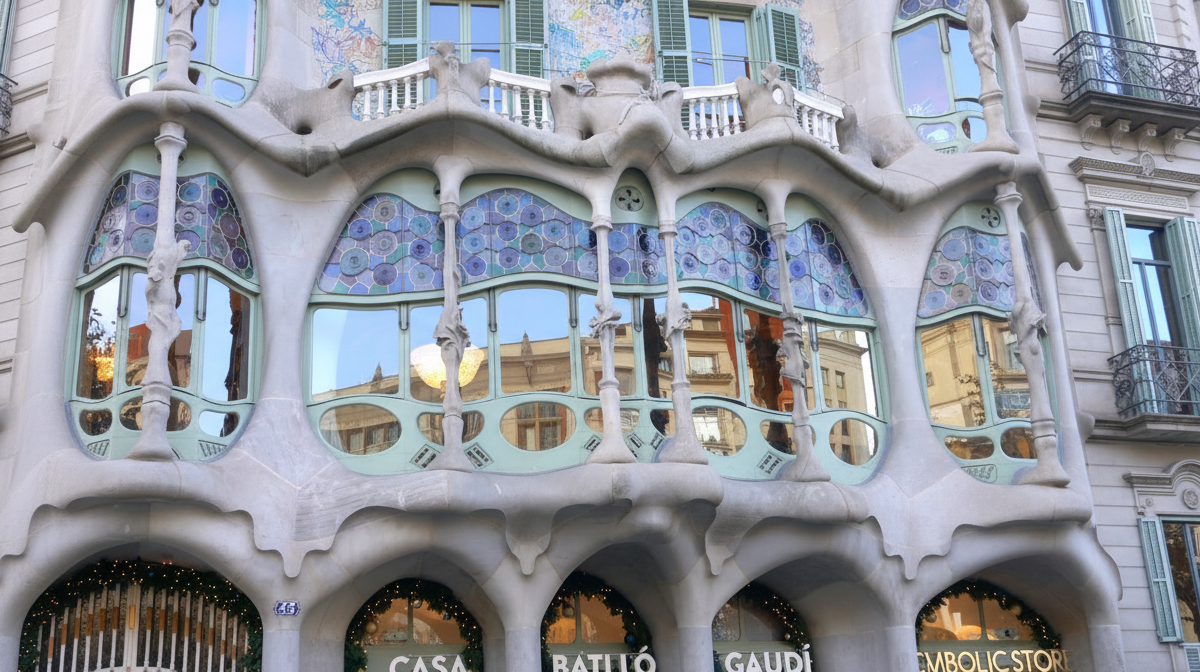
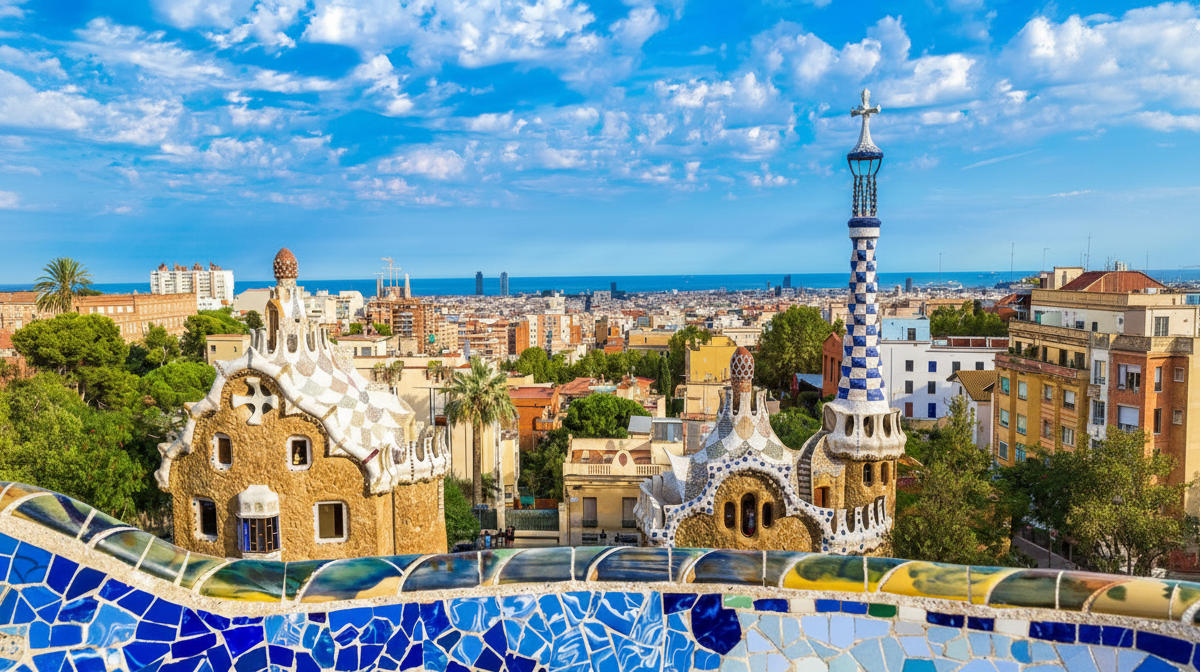
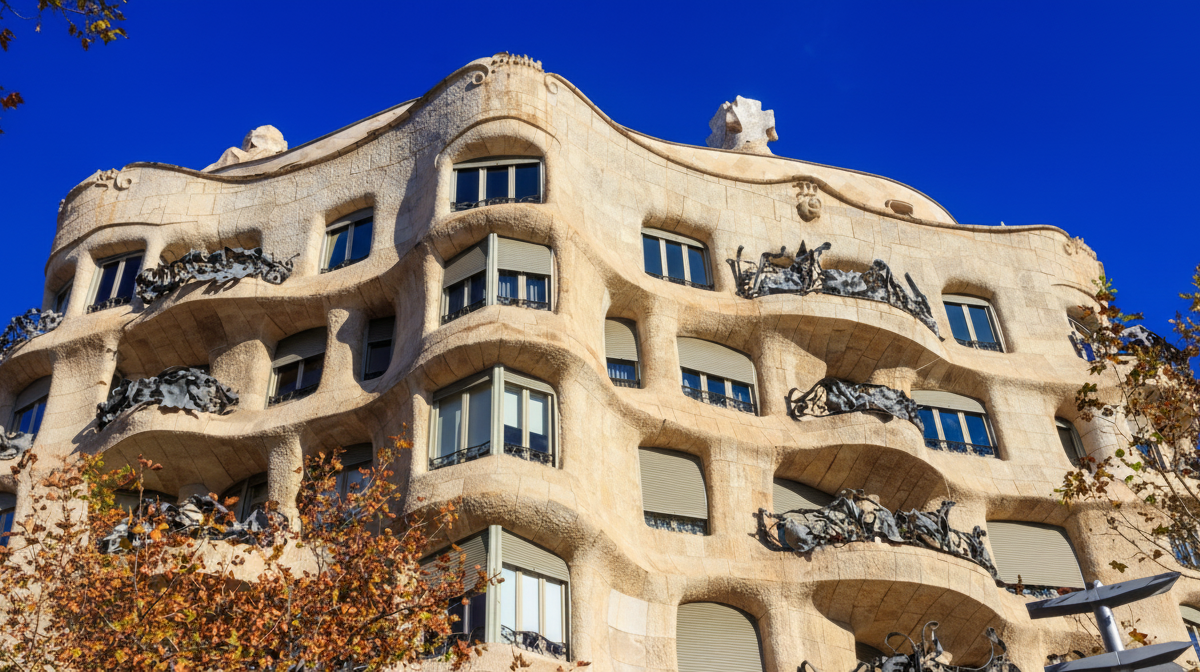
Between the late 19th and early 20th centuries, Barcelona experienced its artistic revolution with Catalan Modernism. Led by the genius of Antoni Gaudí, this movement transformed the city into an open-air museum.
The Sagrada Familia, begun in 1882 and still under construction, is Barcelona's universal symbol. Casa Batlló and Casa Milà (La Pedrera) on Passeig de Gràcia amaze with their undulating facades and fantastic interiors. Parc Güell offers a dreamlike vision of the relationship between architecture and nature.
Alongside Gaudí, architects like Lluís Domènech i Montaner (Palau de la Música Catalana, Hospital de Sant Pau) and Josep Puig i Cadafalch (Casa Amatller, Casa de les Punxes) enriched the Eixample with extraordinary buildings.
Barcelona Today
The 1992 Olympics marked Barcelona's rebirth. The waterfront was completely redesigned, the Port Olímpic was born and the Barceloneta neighborhood was renovated with urban beaches that are now among Europe's most famous.
In the 2000s the Poblenou quarter transformed into the 22@ tech district, attracting startups and innovative companies. The Forum of Cultures (2004) and the construction of the Torre Agbar (now Torre Glòries) marked a new architectural era.
Today Barcelona is a metropolis welcoming over 12 million tourists a year, a world-class creative and gastronomic hub where Catalan tradition coexists with innovation.
🎟️ Official partner tickets — Book online at the best price
Book now ↗Book now ↗